
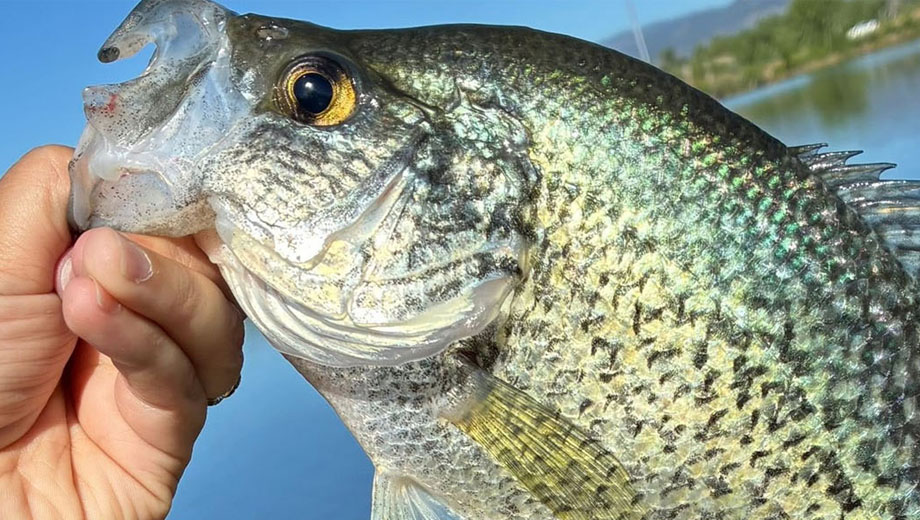
Why Aren't Fish Biting? Common Reasons Fish Stop Biting and How to Catch More
If you’ve ever spent hours on the water without getting a bite, you’re not alone. Every angler experiences slow fishing days, even on lakes known for producing quality catches. The good news is that fish don’t simply disappear—there’s usually a reason they’re not feeding, and understanding those reasons can help you become a more successful angler.
At Action Fishing Trips, we’ve spent countless hours on Lake Greeson learning how fish react to changing weather, water conditions, and seasonal patterns. Here are some of the most common reasons fish stop biting and what you can do to improve your chances.
1. Sudden Weather Changes
One of the biggest factors affecting fish activity is the weather. A cold front, heavy rain, or rapid changes in barometric pressure can make fish less active and less likely to chase bait.
Before a storm, fish often feed aggressively. After a cold front passes, they may move deeper into the water and become more cautious.
What to do:
- Slow down your presentation.
- Use smaller baits.
- Fish deeper structures.
- Be patient and cover more water.
2. Water Temperature
Fish feed throughout the day, but some times are much better than others.
Early mornings and late evenings are usually the most productive, especially during the warmer months. Midday fishing can still be productive, but anglers often need to fish deeper or around shaded areas.
3. You're Fishing at the Wrong Time
Fish are cold-blooded, meaning their activity depends heavily on water temperature. As temperatures rise or fall, fish move to different depths and locations.
During the summer, crappie often suspend over deeper brush piles where the water is cooler. In spring, they move into shallow water to spawn, making them easier to locate.
Knowing where fish are likely to move during each season is one of the keys to consistent success.
4. Using the Wrong Bait
Not every lure or bait works every day.
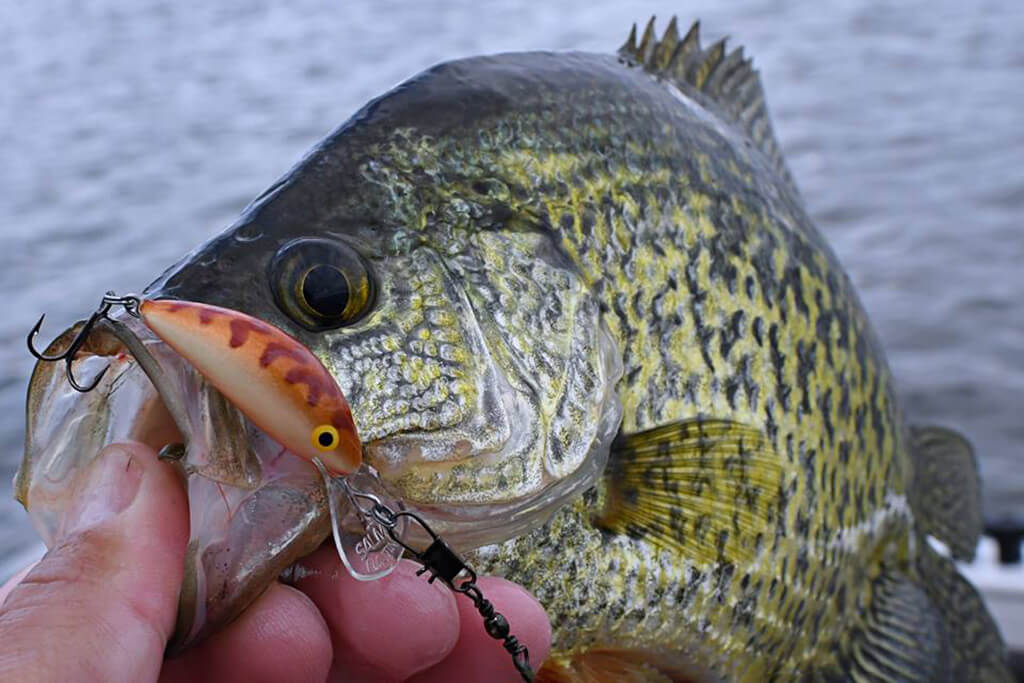
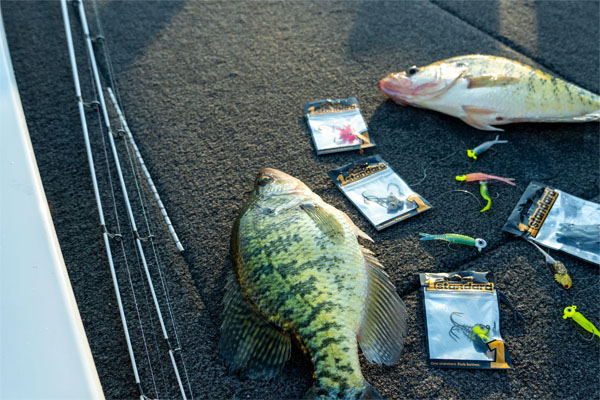
Sometimes fish prefer live minnows. Other days they respond better to small jigs or soft plastics. Color also matters depending on water clarity and sunlight.
If fish aren’t biting:
- Change lure colors.
- Try different sizes.
- Switch between live bait and artificial lures.
- Adjust your retrieve speed.
Small changes can make a big difference.
5. Fish Have Moved
Fish constantly move in search of food, oxygen, and comfortable water temperatures.
A spot that produced limits yesterday may be empty today.
Professional fishing guides spend years learning seasonal fish movements and use electronics to locate schools quickly rather than guessing where they might be.
6. Fishing Too Fast
Many anglers retrieve their bait too quickly.
Crappie, especially, often prefer a slow and natural presentation. If fish seem inactive, slow your retrieve and keep your bait in the strike zone longer.
7. Water Clarity Has Changed
Heavy rain, wind, or lake turnover can change water clarity overnight.
In muddy water:
- Use brighter colors.
- Fish slowly.
- Choose lures that create vibration.
In clear water:
- Use natural-colored baits.
- Fish lighter line.
- Make longer casts.
Matching your presentation to water conditions can dramatically increase bites.
8. Too Much Fishing Pressure
Popular fishing areas receive a lot of pressure, especially on weekends.
Fish become more cautious after seeing the same lures repeatedly.
Moving to less pressured areas or fishing deeper structure often produces better results.
9. Fish Are Holding Tight to Structure
Crappie love brush piles, standing timber, docks, and submerged trees.
If you’re not fishing close enough to the cover, you may completely miss the fish.
Modern sonar and years of local experience help guides locate these productive areas quickly.
10. Seasonal Patterns Matter
Fish behavior changes throughout the year.
Spring
Fish move shallow to spawn and become easier to catch.
Summer
Many fish move deeper where the water is cooler.
Fall
Fish become more active as temperatures cool and feed heavily.
Winter
Fish often school tightly in deeper water and require slower presentations.
Understanding these seasonal movements helps anglers stay on fish all year long.
Why Hiring a Fishing Guide Can Make a Difference
Even experienced anglers have slow days. Local fishing guides spend hundreds of hours on the water each year tracking fish movements, monitoring water conditions, and learning what techniques work best.
At Action Fishing Trips, we use our local knowledge of Lake Greeson to put anglers in the best possible position for success. Whether you’re a first-time fisherman or an experienced angler looking to catch more crappie, we’ll help you spend less time searching and more time catching.
Book Your Next Fishing Adventure
If you’re tired of wondering why the fish aren’t biting, let us help. Action Fishing Trips offers guided fishing trips on beautiful Lake Greeson, providing the equipment, local knowledge, and experience needed to make your day on the water enjoyable and productive.
Contact Action Fishing Trips today to book your next Arkansas fishing adventure and experience why so many anglers return to Lake Greeson year after year.