
How to Identify Different Fish in Lake Greeson
Lake Greeson is one of Arkansas’s most diverse and exciting fishing destinations. Whether you’re chasing crappie, largemouth bass, catfish, or hybrid striped bass, knowing how to identify each species is essential for improving your catch, following regulations, and becoming a more confident angler.
If you’re planning a fishing trip – or booking a guided trip with Action Fishing Trips – this guide will help you recognize the most common fish you’ll encounter on Lake Greeson.
1. Crappie (Black & White Crappie)
Crappie are the lake’s most popular fish, especially with anglers looking for fast action and great table fare. Both black and white crappie live in Lake Greeson, and while they look similar, they have a few key differences.
How to Identify Black Crappie:
- Dark, irregular speckled pattern
- 7–8 dorsal spines
- More rounded body shape
- Typically found in clearer water
How to Identify White Crappie:
- Vertical black bars along the body
- 5–6 dorsal spines
- Slightly longer body shape
- Often found in stained or shallower water
Crappie are especially fun to target during spring and winter months, and Action Fishing Trips specializes in putting anglers on large schools of crappie fast.
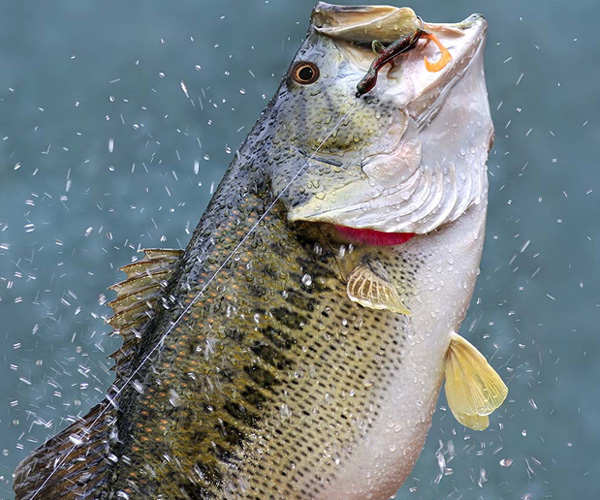
2. Largemouth Bass
Largemouth bass are easy to recognize and are one of the most sought-after game fish in the lake.
How to Identify Largemouth Bass
- A large, wide mouth that extends past the eye
- Prominent dark horizontal stripe down the side
- Greenish back with lighter belly
- Thick, deep body shape
They commonly hang around structure, rocks, docks, and brush piles. Bass fishing is great year-round on Lake Greeson, with winter and early spring producing trophy-size bites.
3. Smallmouth Bass
While not as common as largemouth, smallmouth bass do show up in the lake – especially around rocky areas and deeper water.
How to Identify Smallmouth Bass:
- Brown or bronze color with red-tinted eyes
- Vertical bars rather than a horizontal line
- Smaller mouth that does not extend past the eye
- Slimmer, more streamlined body
Smallmouth are known for strong fights and aggressive strikes, making them a prized catch for anglers.
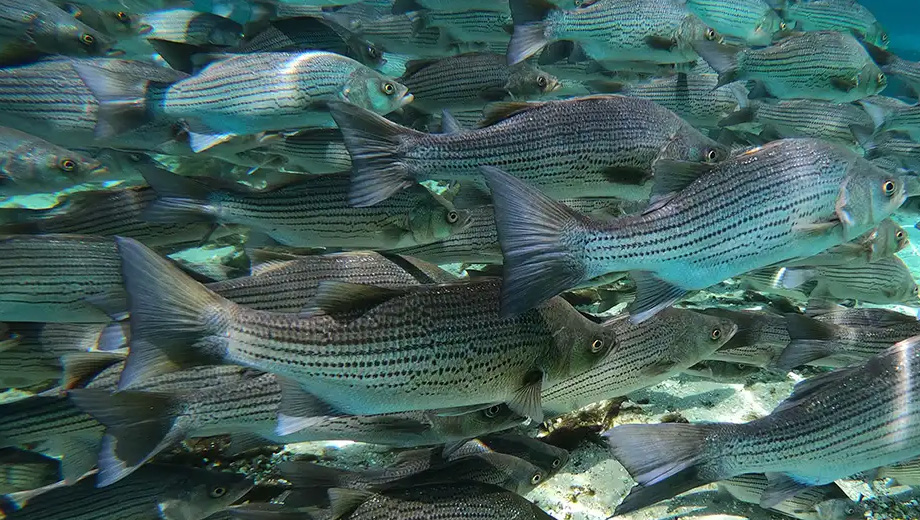
4. Hybrid Striped Bass (Hybrid Stripers)
Hybrids are a cross between a white bass and a striped bass. They are powerful, fast, and popular with anglers who want an adrenaline-pumping fight.
How to Identify Hybrid Stripers
- Bold horizontal lines along the body, some broken
- Deep, muscular body
- Silvery coloration with darker back
- Larger head compared to white bass
- Typically heavier and thicker
Hybrid stripers are often found chasing shad, especially in open water and near creek channels.
5. Catfish (Channel, Flathead, & Blue Catfish)
Lake Greeson holds three common types of catfish, each with unique features.
Channel Catfish:
- Forked tail
- Small black spots on body
- Slim shape
- Rounded head
Flathead Catfish:
- Broad, flat head
- Mottled brown/yellow color
- Square tail
- Thick, powerful body
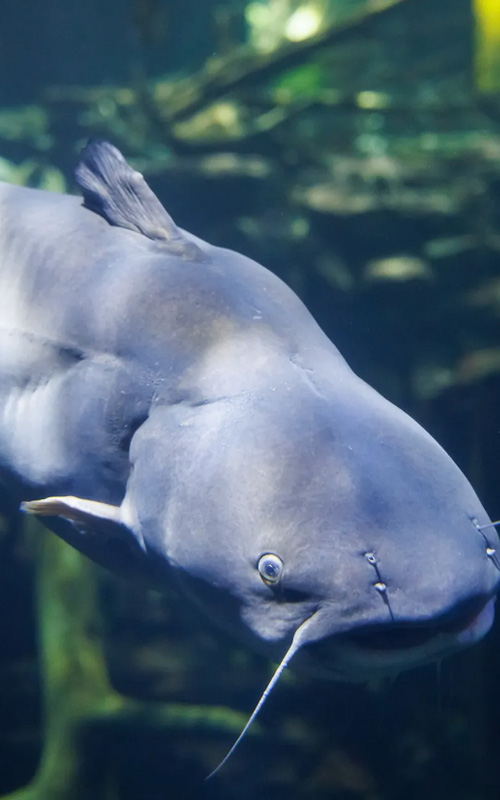
Blue Catfish:
- Slate-blue or silver color
- Forked tail
- No black spots
- More elongated body than channel catfish
All three catfish species can grow large and are common targets for night fishing or deep-water fishing.
6. White Bass
White bass are smaller and more streamlined than hybrid stripers, but they are fast, aggressive, and known for traveling in large schools.
How to Identify White Bass:
- Silver body with faint, unbroken horizontal lines
- Smaller head compared to hybrids
- More compact, football-shaped body
- Strong forked tail
They’re most active during spring runs and summertime schooling activity.
7. Sunfish & Bluegill
Found all over the lake, especially near docks, grass, and shallow structure.
How to Identify Sunfish/Bluegill:
- Blue or black “ear flap” behind the eye
- Small mouth
- Bright orange or yellow belly
- Olive-green upper body
- Round, compact shape
These fish are great for kids, beginners, and anyone who enjoys constant action.
Why Fish Identification Matters
Knowing how to identify fish helps anglers:
- Follow Arkansas fishing regulations
- Practice proper catch-and-release
- Target the right species for the season
- Understand fish behavior and habitat
- Improve overall fishing success
At Action Fishing Trips, we teach every angler how to correctly identify fish on the spot – especially important during crappie, bass, and hybrid striper trips.
Fish Smarter With Action Fishing Trips
If you want a hands-on way to learn fish identification while catching more fish, booking a guided trip is the best way to go. Action Fishing Trips will show you the prime locations, seasonal patterns, and fish behaviors that make Lake Greeson such a productive fishery.
Whether you’re after crappie, bass, hybrids, or catfish, we’ll help you recognize each species – and catch them with confidence.
📞 Book your trip today with Action Fishing Trips and fish Lake Greeson like a pro.